 EN
EN

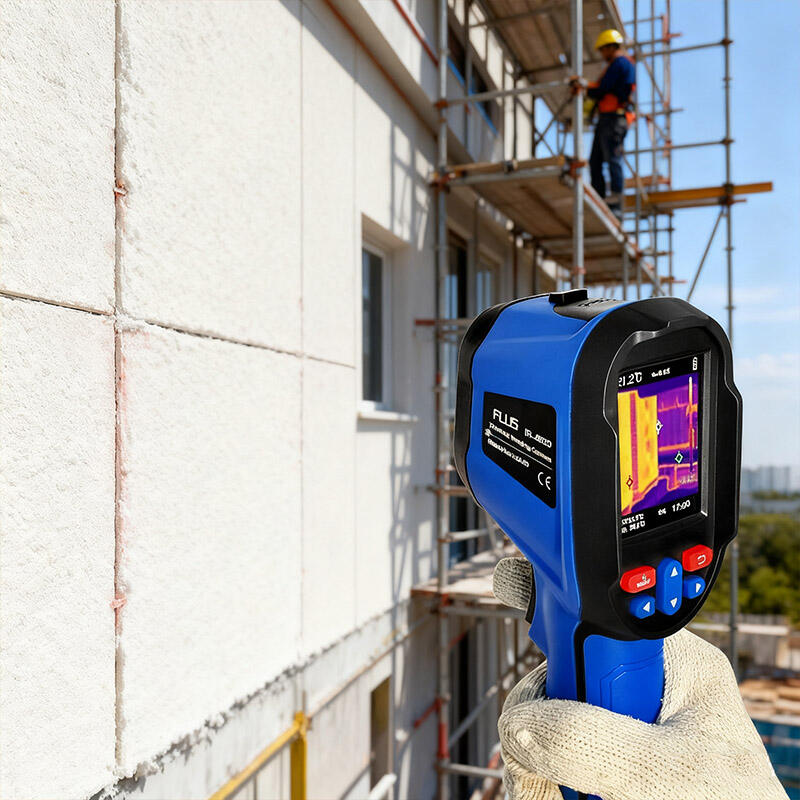
How Thermal Cameras Detect Insulation Deficiencies in Buildings
Principles of Infrared Thermography in Identifying Heat Loss
Infrared thermography works by measuring surface temps when it detects the infrared radiation coming off building materials. Thermal cameras then turn all that invisible radiation into pictures we can see, showing where heat is moving through walls, roofs, and windows. When there's missing insulation or places where conductive materials let heat escape (thermal bridging), these spots show up clearly as either warm or cold areas depending on what the temperature difference is between inside and outside. What makes this technique so useful is that it lets professionals check how well buildings hold in heat without having to tear things apart or cause any damage to structures during inspections.
Common Thermal Patterns Indicating Insulation Gaps and Air Leakage
Thermal inspections reveal three primary anomalies:
- Streaky patterns: Vertical temperature gradients signaling convective air leaks
- Geometric shapes: Rectangular cold spots indicating uninsulated wall cavities
- Edge effects: Warm borders around windows and doors due to poor weather sealing
Field studies show that thermal anomalies exceeding 4°C often correspond to energy loss rates over 15% in affected areas. Winter inspections are most effective, as active heating systems amplify temperature contrasts necessary for clear defect visualization.
The Importance of Surface Emissivity and Environmental Conditions During Inspection
The way a surface emits infrared energy, what we call emissivity, really affects how accurate our measurements turn out. Materials that aren't reflective work best for this stuff. Take brick for instance, which has an emissivity around 0.93 and gives pretty good readings most of the time. But metals are different story altogether since they typically have much lower emissivity values between 0.16 and 0.21. These shiny surfaces need special handling during testing to prevent those annoying reflections messing up results. The ASTM standard from 2023 says there needs to be at least a 10 degree Celsius difference between inside and outside temperatures when doing these kinds of checks. Most professionals working in building diagnostics agree with this rule based on their experience and published research over the years.
Essential Thermal Camera Specifications for Accurate Insulation Surveys
Resolution and spatial detail: Why detector resolution matters for building diagnostics
The clarity of a detector makes all the difference when spotting problems in insulation. Basic models with around 160 by 120 pixels will show general areas where heat is escaping, but they just don't have enough detail to catch those tricky spots like thermal bridges between wall studs or tiny air gaps that sneak through. For serious work, professionals turn to higher end detectors at 464 by 348 pixels. These advanced tools can pick up temperature differences as small as 0.03 degrees Celsius, meaning even 1/8 inch gaps in buildings become visible during inspections. This level of detail matters a lot for both home owners looking to cut heating bills and businesses needing thorough energy assessments across their properties.
Thermal sensitivity (NETD) and its role in detecting subtle temperature differences
The Noise Equivalent Temperature Difference, or NETD, basically tells us how good a thermal camera is at picking up small changes in temperature. Cameras with sensitivity around or below 50 milliKelvin can actually spot heat moving through thick materials such as stucco walls or brick facades something really important when looking inside hidden spaces within walls. Studies indicate that cameras with 70 mK sensitivity miss about one out of every four small air leaks during tests, which explains why professionals in the field tend to go for sensors below 40 mK when doing serious energy audits. These better performing sensors just make more sense for accurate readings in real world situations.
Field of view (FOV) and minimum focus distance for residential applications
For interior inspections:
- A wide 45° FOV allows full-room coverage in single images
- A narrow 15° FOV preserves spatial resolution when examining attic joists or tight spaces
A standard 0.5m minimum focus distance avoids distortion near baseboards or electrical outlets, while models with <0.15m focus are ideal for inspecting ductwork and mechanical penetrations.
Temperature range and measurement accuracy in real-world conditions
For good building diagnostics, we need instruments that can measure temperatures from as low as -20 degrees Celsius all the way up to 400 degrees. This covers everything from winter cold snaps to summer heat waves plus those unpredictable HVAC system swings. The professional cameras out there keep their readings pretty accurate within about 1.5 degrees across that whole range. Consumer grade equipment? Not so much. These cheaper options tend to drift off course by around 5 degrees after being used for long periods. Newer thermal imaging devices come with built-in features that adjust automatically when exposed to sunlight. This helps fix errors caused by direct sun exposure on building exteriors. Some studies show these corrections can cut down measurement mistakes by roughly 22 percent on sunny days.
Evaluating Imaging Features: Palettes, Output, and Data Interpretation
Best Thermal Palettes for Visualizing Insulation Performance
Choosing the right color palette makes a big difference when spotting thermal issues. The high contrast Ironbow palette works great for showing tiny temperature changes down to about 0.1 degrees Celsius, which helps technicians find small gaps in insulation where heat might be escaping. When looking for air leaks, going with grayscale or other monochrome options cuts down on distractions and makes edges stand out better. Research from last year showed that thermographers who used grayscale images were able to spot drafts around windows and doors roughly 23 percent quicker compared to folks working with the standard rainbow color maps. This matters because time saved during inspections translates directly to cost savings for building owners.
Blending Visual and Thermal Images: MSX and Overlay Technologies
MSX technology combines infrared readings with regular photos to make these composite images where heat patterns match up with actual building parts. When technicians can see where the cold spots or hot areas line up with walls, windows, or insulation gaps, they get much better at figuring out what's wrong. The reports look way more convincing too because clients aren't just seeing numbers on a screen but actual pictures showing problems in their own homes or offices. Most modern inspection equipment comes with this overlay feature built right in, which has really changed how professionals read thermal scans and explain findings to property owners who need repairs or upgrades.
Interpreting Thermographic Results for Actionable Repair Recommendations
Accurate interpretation requires distinguishing critical defects from transient thermal effects. Key indicators include:
- U-shaped thermal patterns: Suggest missing insulation in wall cavities
- Linear temperature gradients: Indicate air leakage around openings
- Localized cold spots: Reveal thermal bridging at structural junctions
To prevent false positives, inspectors must account for variables such as solar gain, interior humidity, and HVAC operation. Cross-referencing thermal findings with building plans allows prioritization of repairs that deliver the greatest improvement in energy efficiency.
Handheld vs. Smartphone-Based vs. Fixed Thermal Cameras: Use Cases in Construction
Pros and Cons of Professional Handheld Thermal Cameras for Building Inspections
In the world of insulation diagnostics, handheld thermal cameras have really taken off, grabbing around 63% of the thermal imaging market according to SNS Insider from 2025. Their popularity comes down to being both portable enough to carry around job sites and powerful enough to get good results. Most models come with resolutions over 320 by 240 pixels and can detect temperature differences as small as under 50 milliKelvin. This level of detail helps find those pesky heat bridges and spots where moisture might be hiding behind walls. The builds are pretty tough too, usually rated IP53 so they survive dust and splashing water on construction sites. Some even include features like MSX technology that makes images clearer when there's not much contrast. Prices generally range from about $1,500 all the way up to $4,000. For contractors who do energy audits regularly, these tools make sense as part of their toolkit despite the initial cost.
Are Smartphone Thermal Attachments Sufficient for Insulation Detection?
Thermal cameras that work with smartphones are pretty budget friendly, costing anywhere from around $200 to maybe $800. But there's a catch - most have resolutions no better than 160x120 pixels and can't really reach far enough to be super reliable for diagnosis work. They're okay for quick scans though, like checking out attic hatches or looking at window seals where things might be letting heat escape. However, when it comes to actually measuring how good wall insulation is performing, these little gadgets just don't cut it. According to recent industry research published last year, these phone attachments failed to spot nearly 40% of the air leaks that professional equipment caught during tests. So if someone wants a complete picture of their home's energy efficiency, they'll need something more powerful than what fits on a smartphone case.
When Fixed or Drone-Mounted Systems Add Value in Large-Scale Assessments
Thermal systems installed permanently allow ongoing surveillance of industrial roofs and HVAC operations, providing constant data recording something handheld equipment just can't match. When mounted on drones, thermal cameras create detailed heat maps from above covering entire rooftops or sprawling solar installations much faster than walking around with ground equipment ever could. According to recent studies, businesses saving money see about a two thirds drop in inspection expenses when they switch to drone based checks, especially at sites larger than 50 thousand square feet. That makes these flying inspectors particularly valuable tools for both commercial properties and citywide energy management initiatives looking to cut costs without sacrificing quality.
Step-by-Step Guide to Choosing the Right Thermal Camera for Your Needs
Assessing inspection frequency, scale, and reporting requirements
When thinking about what kind of equipment works best, it really comes down to the size of operations. Residential inspectors who check homes on a weekly basis find that smaller 160 by 120 resolution cameras work just fine since they need something portable and fast for their reports. On the flip side, bigger teams working on commercial buildings usually need better gear. The 320 by 240 plus resolution models give them broader views and come with those handy auto-reporting features that save so much time. And let's not forget about those massive properties over 10k square feet each year. Companies using systems that automatically generate reports can cut back on those extra hours spent manually processing information. We're talking around 37% less cost according to Ponemon's study from last year, which makes sense when dealing with multiple floors where things get complicated pretty quickly.
Balancing cost, durability, and software compatibility
When looking at thermal cameras, thermal sensitivity below 50 mK makes all the difference when spotting those hard to find insulation problems in thick walls. Dust is another concern, so going with IP54 rated housing becomes important if working in places like attics where dust tends to accumulate. Mid range units priced between $1500 to $3500 usually come with features like MSX imaging plus mobile app connections. These extras actually cut down on mistakes during diagnosis by around 30% versus just using regular phone attachments. Don't forget to check whether the camera works well with standard reporting software too. Getting this right saves time later when putting together reports for clients and keeps everything flowing smoothly through the workflow process.
Future-proofing: Integration with energy modeling and maintenance planning
When selecting equipment for retrofit work, look for systems that play well with BIM software so thermal scans can be mapped right onto existing building plans. More and more clients are asking for this these days, with around 6 out of 10 projects requiring some form of digital twin setup. Thermal imaging cameras equipped with programmable interfaces make it much easier to send all that data straight into building management systems. This helps spot potential issues before they become big problems, which is why we're seeing such strong interest in smart diagnostics solutions. Industry reports predict about 24% yearly growth in this area according to the latest Building Efficiency Forecast from 2024.
FAQ
What is infrared thermography?
Infrared thermography is a technique that measures the thermal radiation emitted by materials to create an image or video that displays temperature variations on the surface of a building.
Why is thermal camera resolution important?
The resolution of a thermal camera determines how detailed an image it can produce, which is crucial for identifying specific insulation deficiencies and small air leaks.
What does NETD stand for in thermal cameras?
NETD stands for Noise Equivalent Temperature Difference, a metric that measures a camera's sensitivity to temperature changes.
How does emissivity affect thermal imaging?
Emissivity impacts the accuracy of thermal imaging because it refers to how well a material emits infrared radiation. Highly reflective materials require special calibration to avoid inaccurate readings.
Can smartphone thermal cameras be used for professional inspections?
Smartphone thermal cameras are generally less reliable for professional inspections due to their lower resolution and sensitivity. They are best suited for quick checks rather than comprehensive assessments.
Table of Contents
- How Thermal Cameras Detect Insulation Deficiencies in Buildings
-
Essential Thermal Camera Specifications for Accurate Insulation Surveys
- Resolution and spatial detail: Why detector resolution matters for building diagnostics
- Thermal sensitivity (NETD) and its role in detecting subtle temperature differences
- Field of view (FOV) and minimum focus distance for residential applications
- Temperature range and measurement accuracy in real-world conditions
- Evaluating Imaging Features: Palettes, Output, and Data Interpretation
- Handheld vs. Smartphone-Based vs. Fixed Thermal Cameras: Use Cases in Construction
- Step-by-Step Guide to Choosing the Right Thermal Camera for Your Needs
- FAQ